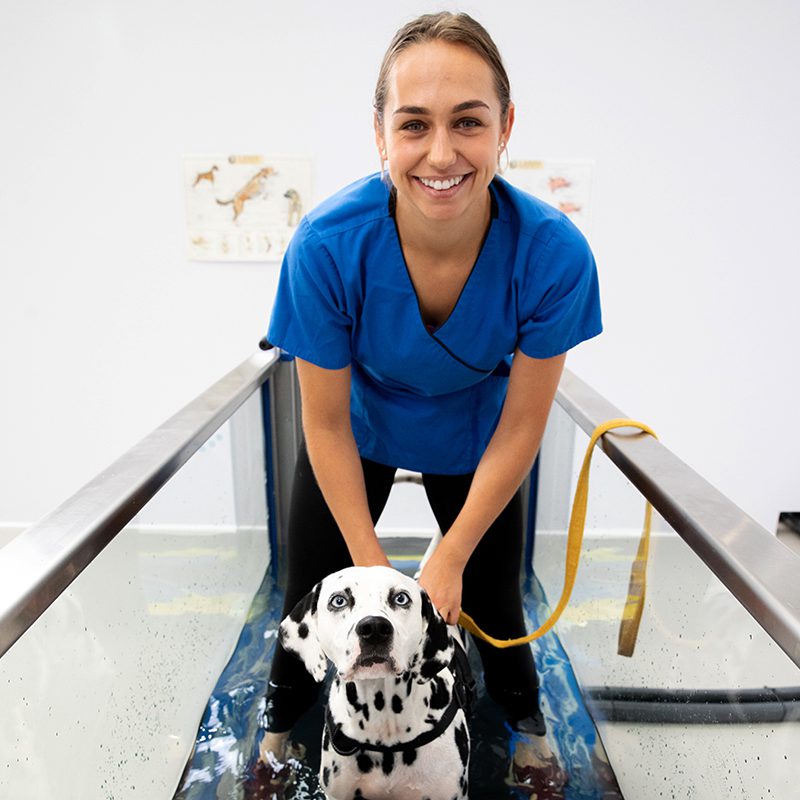
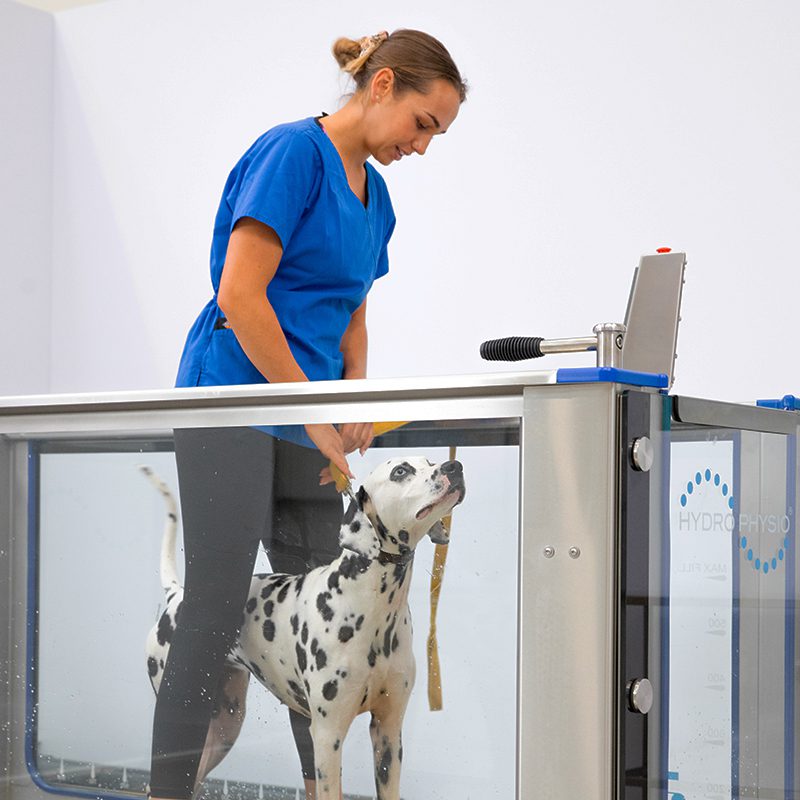
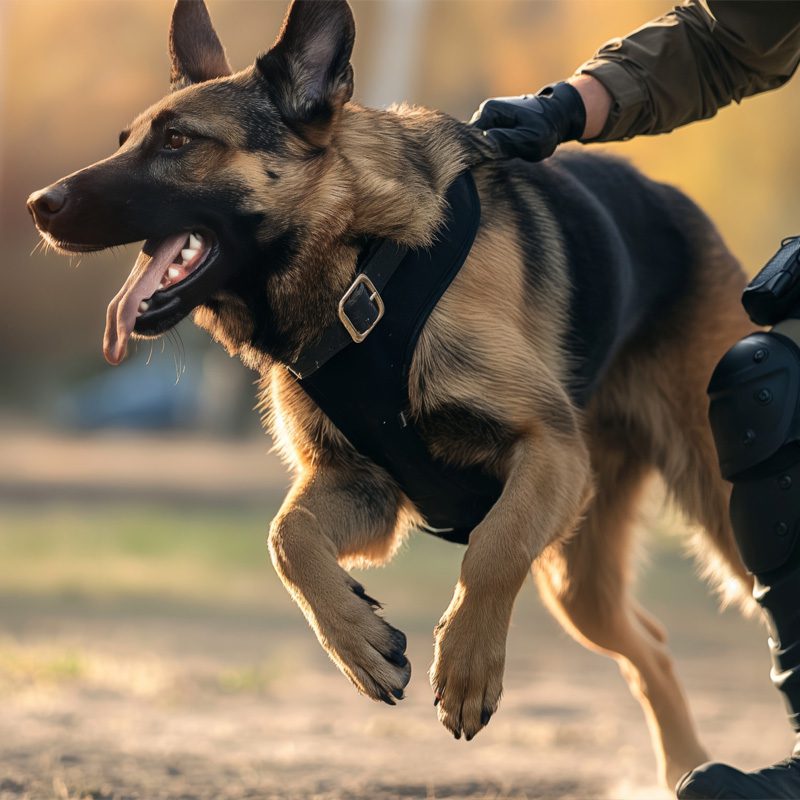
Our solutions offer a clear advantage over land-based workouts, providing canines with low-impact, rejuvenating exercise with a lower risk of developing the sort of physical strain commonly associated with land-based workouts. They also provide an array of benefits for practitioners responsible for improving their patients’ health outcomes.
Here are the key advantages of aquatic exercise for practitioners:
A controlled environment where workouts can be tailored to the patient’s individual needs
Buoyancy of the water ensures a lower risk of injury
Offers gentle, non-invasive therapy, making it easier to treat dogs who are uncomfortable with hands-on therapy
Allows hydrotherapists to observe patients in real time
Veterinary Community
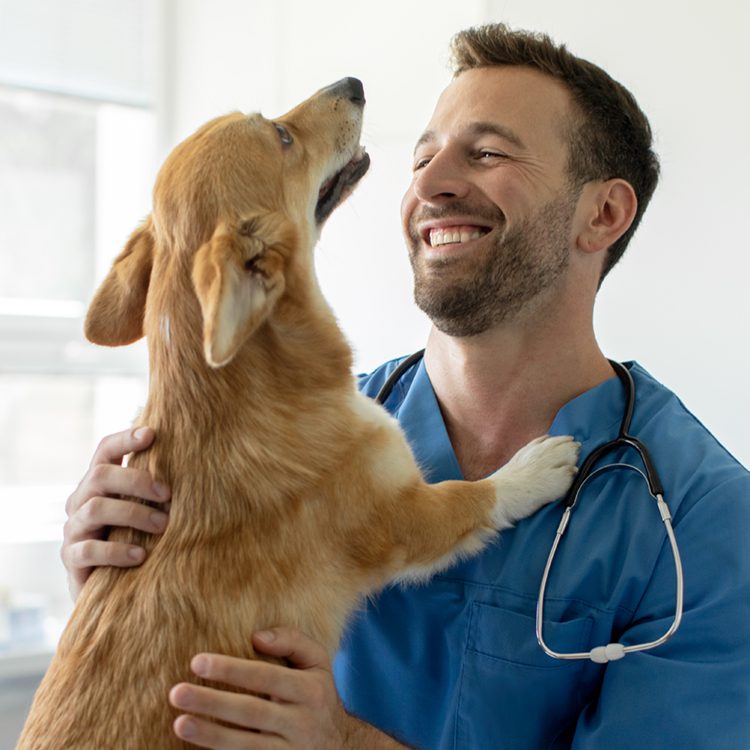
Our treadmills are essential for vets seeking a treatment that aids recovery and pain management.
What are the key benefits of aquatic exercise for dogs?
Professionals agree that aquatic exercise promotes canine health, wellbeing and recovery whilst helping support the dog’s weight and takes pressure off the joints. The resistance and buoyancy of the water encourage mobility, helping to strengthen muscles, improve circulation, and condition the cardiovascular system, whilst also relieving pain, increasing comfort, and providing a greater range of motion.
How does hydrotherapy compare to land-based therapy for dogs?
The difference between hydrotherapy and land therapy is the weight-bearing force for the dog. Injuries, muscle wear and tear, or post-surgery recovery require a softer, lighter force that still encourages movement and mobility. Water also provides resistance and helps engage all muscles, making the hydro-option an overall safer environment to engage in, whilst still encouraging recovery and movement.
Which types of dogs/patients benefit most from aquatic treadmill therapy?
Hydrotherapy serves a broad range of canines, including dogs that experience:
Recovery from surgery or injury
Neurological and spinal conditions
Arthritis, joint problems, degenerative conditions and chronic pain
Senior or ageing dogs
Overweight or obese dogs
Working dogs, sporting dogs and highly active breeds
What are the main clinical/therapeutic advantages for vets and hydro-therapists?
Aquatic therapy offers a controlled, safe and non-invasive environment for dogs, encouraging mobility and recovery without compromising the canine’s strength. Hydrotherapy can be specifically tailored to the canine’s exact needs, from the water quantity to the treadmill speed, curating a specialised environment that is difficult to emulate on land.
How often should dogs have hydrotherapy?
Frequency of hydrotherapy sessions is determined by the treating professional, as it depends entirely on the canine’s condition.
How does this benefit translate into cost-effectiveness or value for clinics?
For vet practices and rehabilitation centres, offering hydrotherapy to your customers represents high-quality care and service, whilst expanding the types of patients you can work with. Due to the effectiveness and overall success of hydrotherapy, canines will experience fast recovery times at a lower risk, encouraging repeat visits, positive reviews, and general curiosity towards this new and efficient form of therapy.